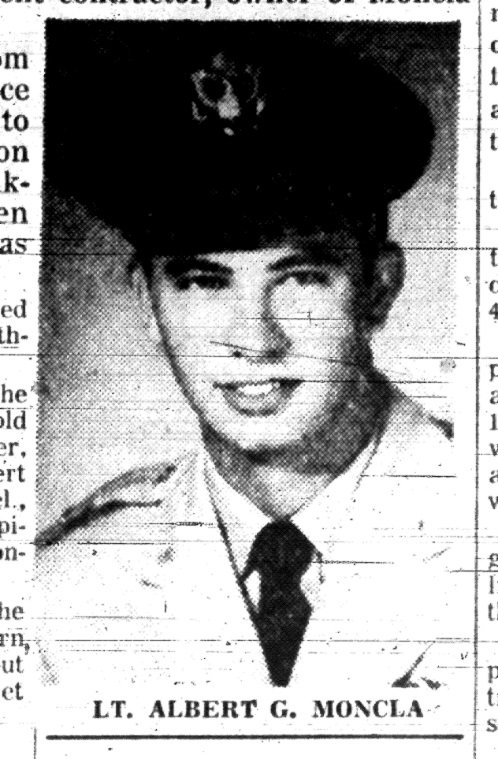
They flew for their country through two wars and the coldest years of the Cold War. On April 10, 1958, over the fields of Collins, New York, all four gave their lives in the service of the United States Air Force.
Killed in the Line of Duty, April 10, 1958
Their Service and Their Stories
All four crew members aboard 52-0470 were killed when the aircraft broke apart in mid-air during a refueling operation over the Town of Collins. Service details below are drawn from official military grave markers and burial records.
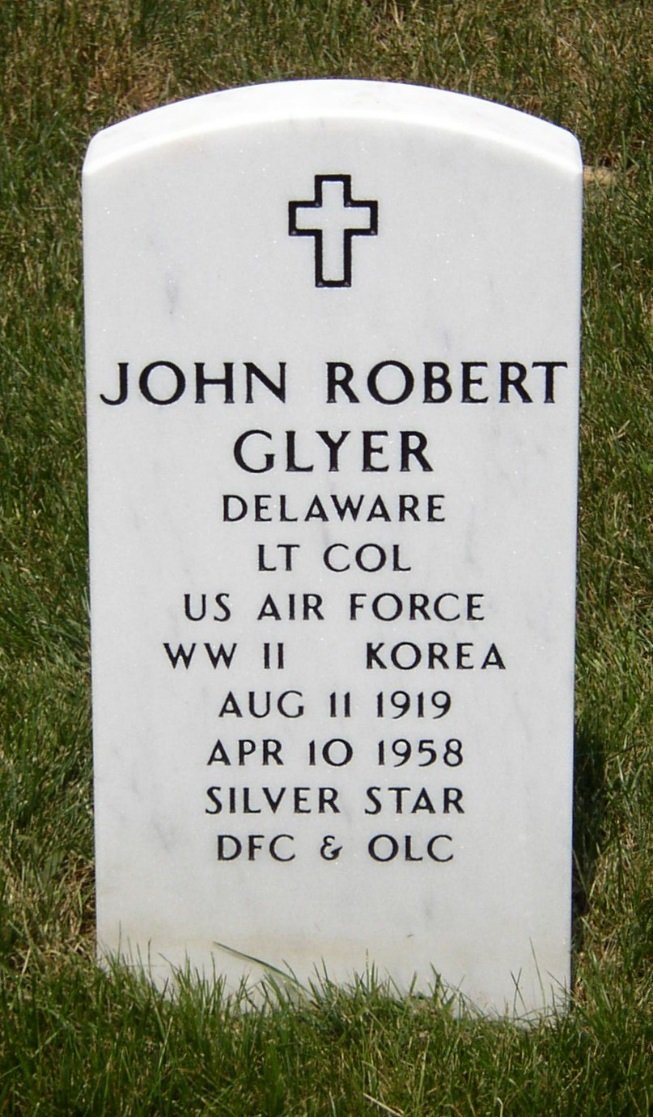
Lt Col. John Robert Glyer
USAF, 513th Bombardment Squadron, 376th Bombardment Wing. From Wilmington, Delaware. Survived by his wife, Gwen, and one child.
- Born11 Aug 1919
- Died10 Apr 1958 (age 38)
- BurialArlington National Cemetery, Arlington, Virginia
- PlotSection 30, Site 146
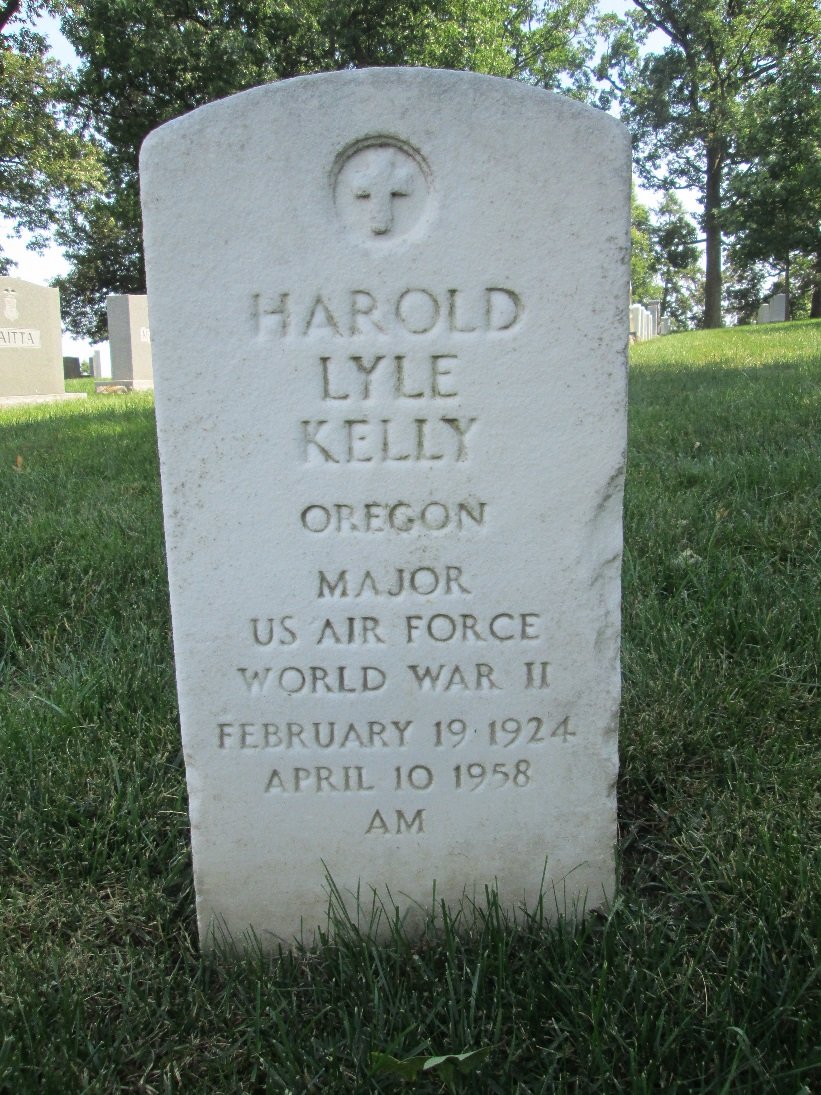
Maj. Harold L. Kelly
USAF, 513th Bombardment Squadron, 376th Bombardment Wing. From Eugene, Oregon. Survived by his wife, Dorothy, and three children.
- Born19 Feb 1924
- Died10 Apr 1958 (age 34)
- BurialArlington National Cemetery, Arlington, Virginia
- PlotSection 30, Site 212-RH
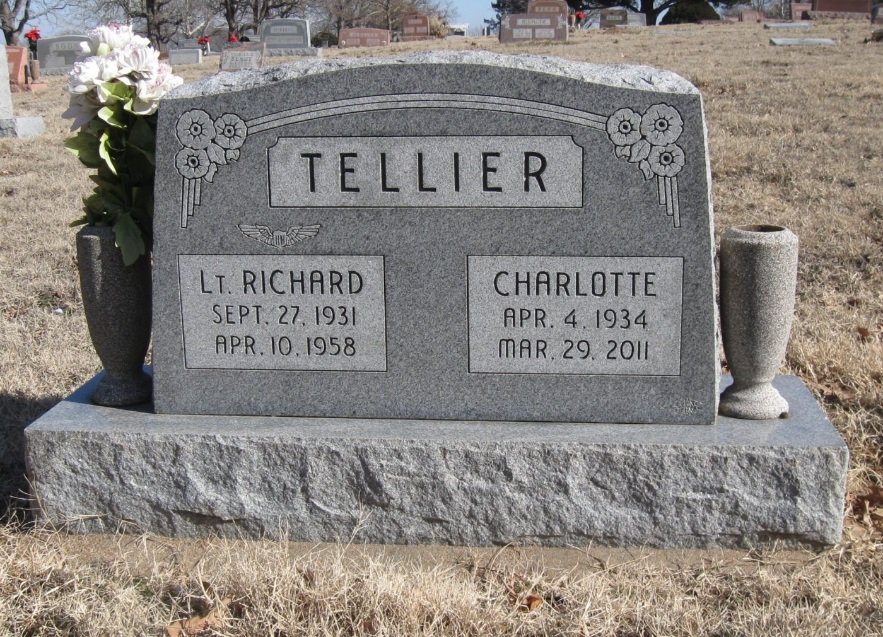
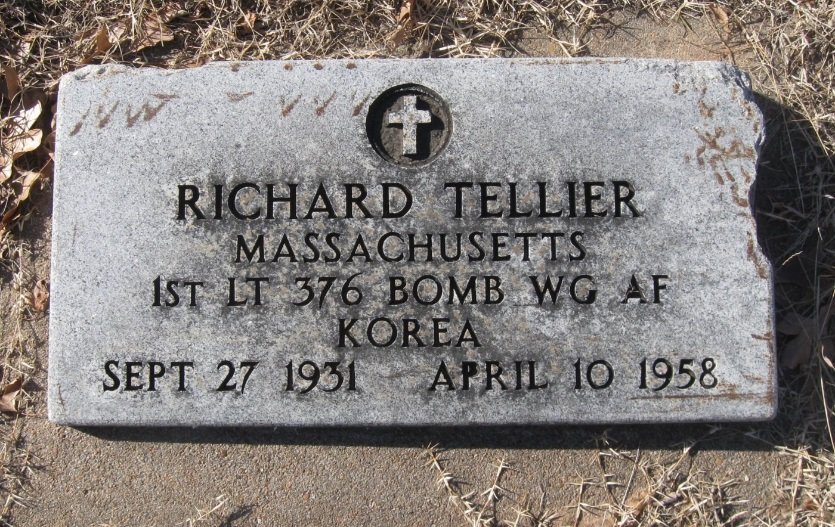
1st Lt. Richard “Dick” Tellier
USAF, 513th Bombardment Squadron, 376th Bombardment Wing. From Pompano Beach, Florida. Survived by his wife, Charlotte Ann Lane Tellier, and their son, Steven. Steven Richard Tellier and his wife, Carla, later made their home in Yukon, Oklahoma.
- Born27 Sep 1931
- Died10 Apr 1958 (age 26)
- BurialGrandview Cemetery, Kaw City, Kay County, Oklahoma
- PlotSection C, Block 67, Space 08
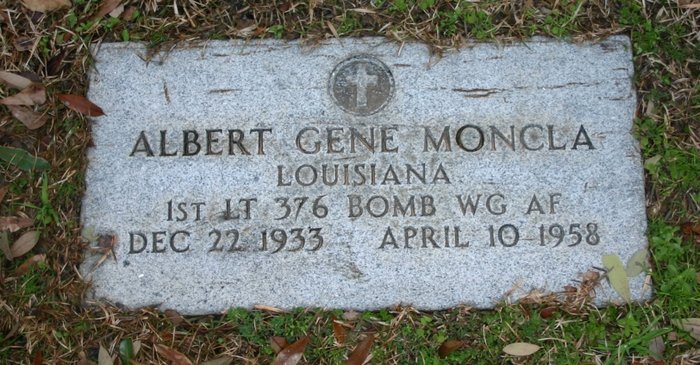
1st Lt. Albert Gene Moncla
USAF, 513th Bombardment Squadron, 376th Bombardment Wing. From Shreveport, Louisiana; born in Marksville, Avoyelles Parish, Louisiana.
- Born22 Dec 1933
- Died10 Apr 1958 (age 24) — New Oregon, Erie County, New York
- BurialForest Park Cemetery, Shreveport, Caddo Parish, Louisiana
- PlotGarden 16